Can Your Cracked Leather Sofa Be Saved?
Leather sofas are a stylish and durable choice for many homes. But when those inevitable cracks start to show up, it's easy to worry. Let's dive into why leather cracks, how to gauge the damage, and explore some handy DIY fixes. We'll also touch on when you might need a professional's touch and how to keep your sofa in tip-top shape. By the end, you'll know whether you should repair your leather sofa or if it's time for a new one.
We'll point you to some trusted sources to explain how leather ages, give you an idea of what repairs might cost, and suggest local repair options. If you're ready to go straight to the pros, check out our leather sofa and couch repair services for customized solutions.
Why Does Leather Crack?
Understanding Leather as a Material
Leather starts as animal hide, which is mostly made of collagen fibers that are tanned and treated. Being a natural material, leather reacts to changes in moisture, temperature, and stress. Over time, these fibers can dry out and become less flexible, leading to cracks. If you're curious to know more about leather, check out the Britannica entry on leather.
Loss of Natural Oils
One big reason leather cracks is because it loses its natural oils over time. These oils keep the leather soft and flexible. But everyday use, body oils, and the natural evaporation of moisture can dry it out. Regular conditioning helps keep those oils in and prevents cracks from getting worse.
Environmental Factors
Sunlight and heat can break down leather finishes and speed up moisture loss. Big changes in humidity, like a hot summer followed by a dry winter, can also stress the material. To keep your leather safe, avoid placing it near windows or heat sources. In dry environments, a humidifier can help maintain stable humidity levels.
How Bad Are the Cracks?
Small Surface Cracks
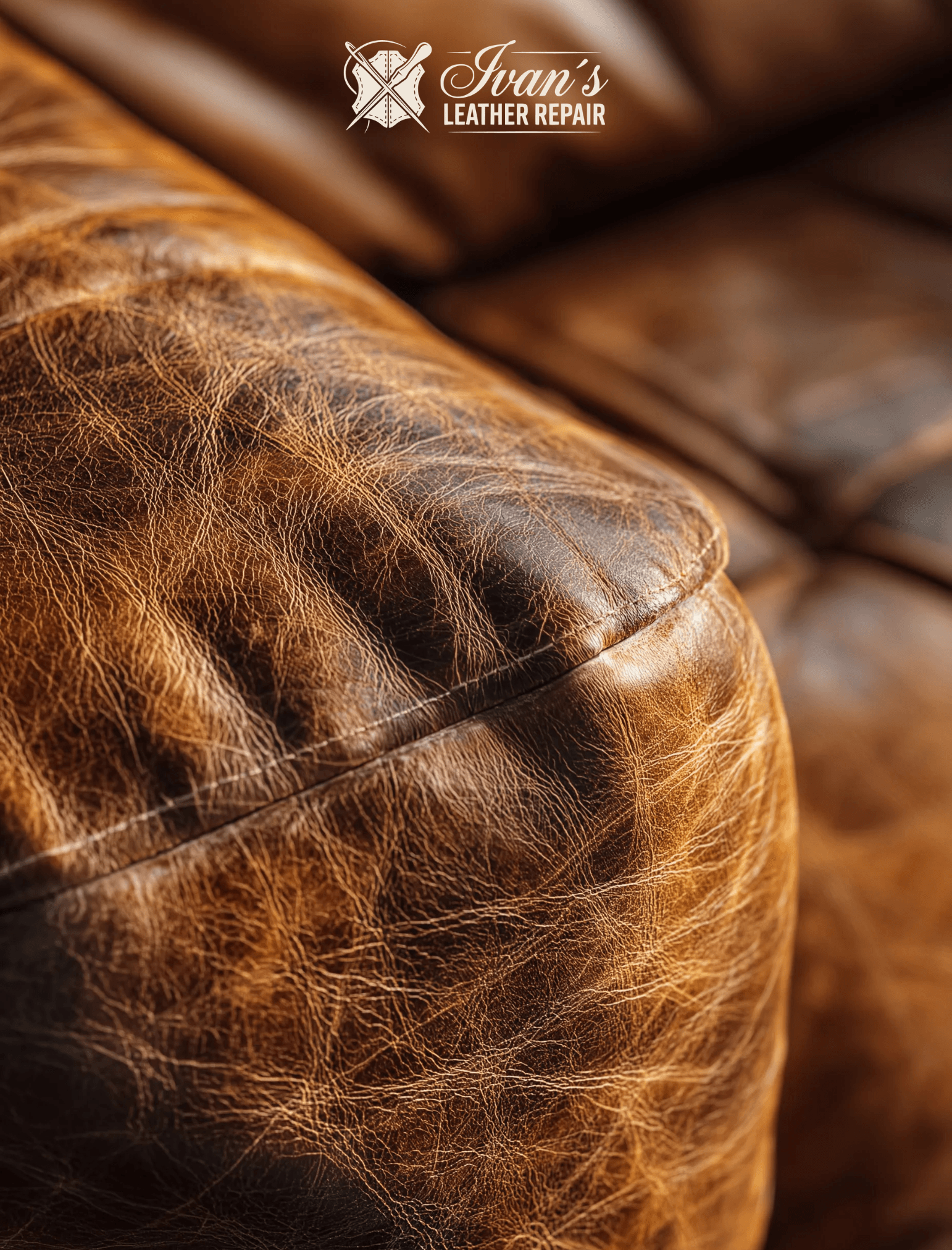
Small surface cracks usually only affect the finish and are often easy to fix. With the right cleaning and conditioning, many of these cracks can be softened or even hidden. Start with gentle cleaning and apply a quality conditioner to see if the cracks improve.
Moderate Cracks
These are a bit deeper and may involve small splits in the grain. Repairing them might require a few steps: cleaning, using a leather filler, smoothing with sandpaper, and recoloring. DIY repair kits are available, but matching the color and texture can be tricky. If your sofa has a unique finish, it might be better to consult a pro.
Serious Cracks
Serious damage includes long splits or areas where the finish has flaked off completely. If you see padding exposed or seams splitting, professional restoration is likely needed. This might involve patching or even replacing sections to make sure everything looks and feels right.
DIY Fixes: When to Go for It
Cleaning and Checking
Before you start any repairs, clean the leather to get rid of oils and dirt that can get in the way. Use a mild cleaner meant for leather. After cleaning, let it dry and take another look at the cracks. Sometimes, cleaning alone can show whether the damage is minor or more serious.
Conditioning for Small Cracks
If the cracks are minor, using a leather conditioner can make a big difference. Follow the instructions on the conditioner and work it into the cracks with a soft cloth. You might need to condition it weekly at first, then switch to every few months.
Filling Moderate Cracks
For moderate cracks, a leather filler can help close gaps. These kits usually come with everything you need, including color guides. Apply the filler in thin layers, sand gently, and then match the color as best as you can. Keep in mind, getting an exact match can be tough without professional help.
Professional Help: What to Expect
When to Call a Professional
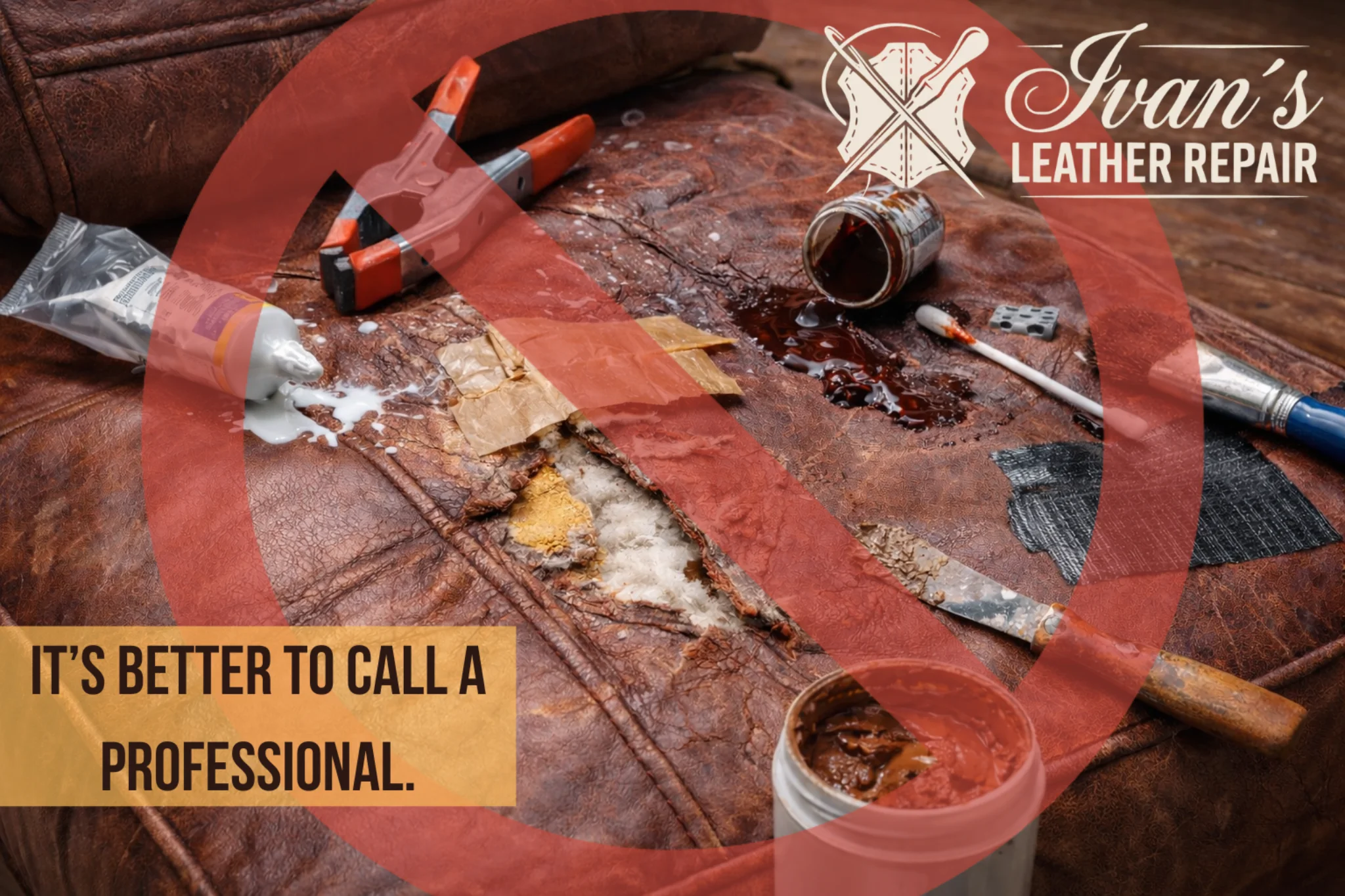
If the cracks are widespread, involve high-value pieces, or if DIY didn't work, it's time to call in the pros. They can assess the damage and find the right materials to fix it. This is especially important if the structure of the sofa is affected, as professionals have the tools and skills to handle complex repairs.
Typical Repair Process
Professionals usually start with a deep clean, followed by filling, sanding, and color matching. Severe cases might need parts removed or replaced. Always ask for photos and a repair plan before work starts. Pros use high-quality products that help the repair last longer.
Cost and Time
Repair costs can range based on how bad the damage is. Small fixes might be under $100, while more extensive repairs can go beyond $500. Timeframes vary too, from a few hours to several days. For an accurate quote, have a local specialist take a look. If you're nearby, our residential leather repair team can do an in-home assessment.
DIY Supplies and Tips
Choosing the Right Products
For DIY repairs, pick products made for leather: pH-balanced cleaners, quality conditioners, and flexible fillers. Avoid household oils or polishes that could damage the leather. Invest in good applicators and soft cloths for applying products.
Step-by-Step for Filling Cracks
1) Clean the area and let it dry. 2) Apply flexible leather filler in small amounts. 3) Allow each layer to dry, then sand smoothly. 4) Apply colorant and a protective sealer. This approach helps ensure the repair looks good and holds up over time.
Testing Colors
Test colorants on a hidden part of the sofa before using them on visible areas. Leather colors can vary a lot, so be ready for slight differences. If a perfect match is crucial, professional help is a safer bet.
Preventing Future Cracks
Regular Cleaning and Conditioning
A regular cleaning routine is key to preventing cracks. Dust weekly, clean with a leather cleaner monthly, and condition every few months. This keeps the leather flexible and less prone to cracking.
Environmental Tips
Placement matters. Keep leather away from direct sunlight and heat sources. In dry areas, a humidifier can help keep the leather from drying out. Rotate cushions and use throws in high-wear areas.
Protecting from Pets
Pets can scratch and damage leather. Keep their nails trimmed and consider using throws to protect the sofa. If you already have pet-related damage, our pet damage leather repair service can help fix it.
Real-Life Repair Stories
DIY Success: Small Cracks Fixed
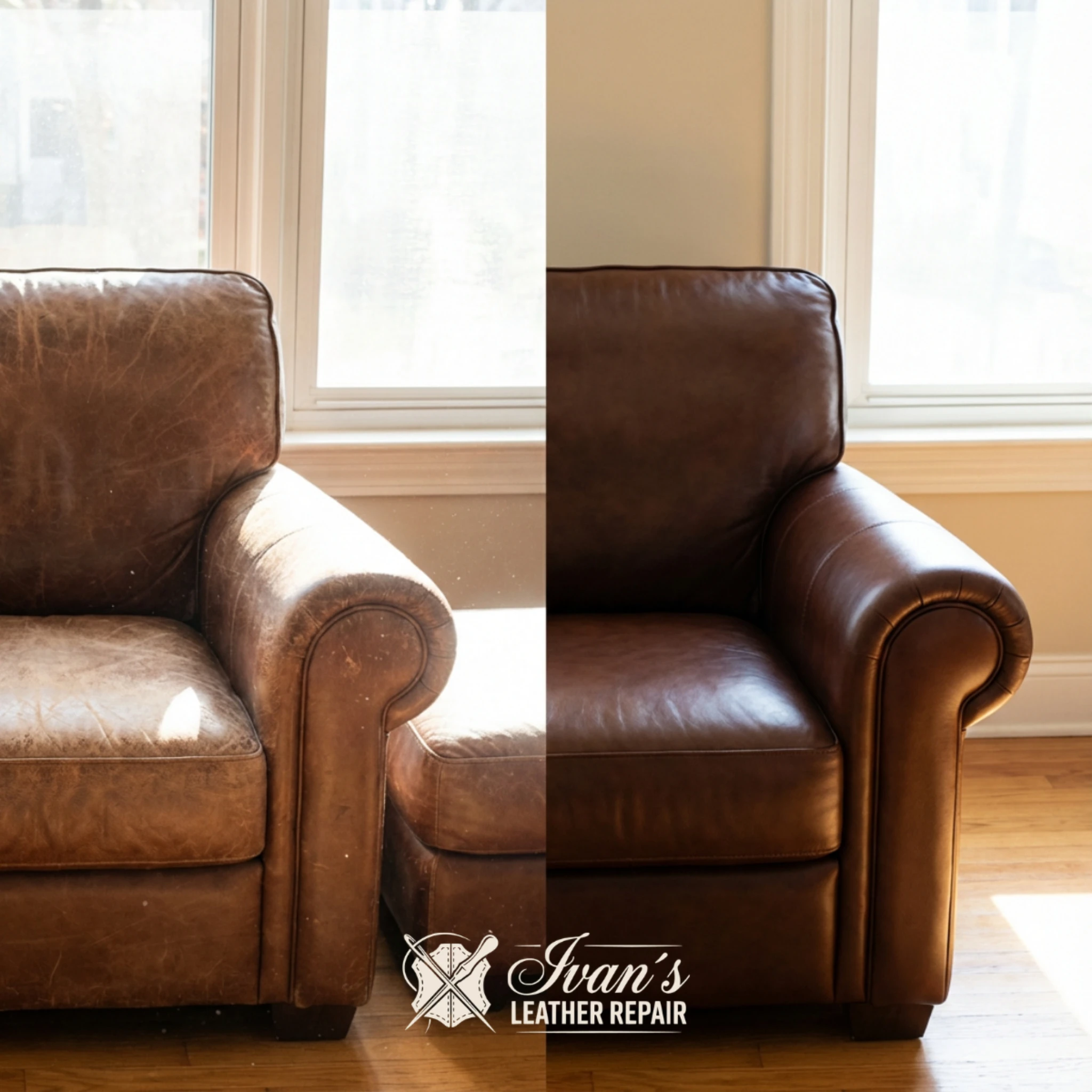
One homeowner tackled small cracks on their leather couch with a DIY approach. After cleaning and conditioning, they used a filler for the most visible lines. The result? A refreshed sofa that looks great and will last longer.
Professional Restoration for a Vintage Piece
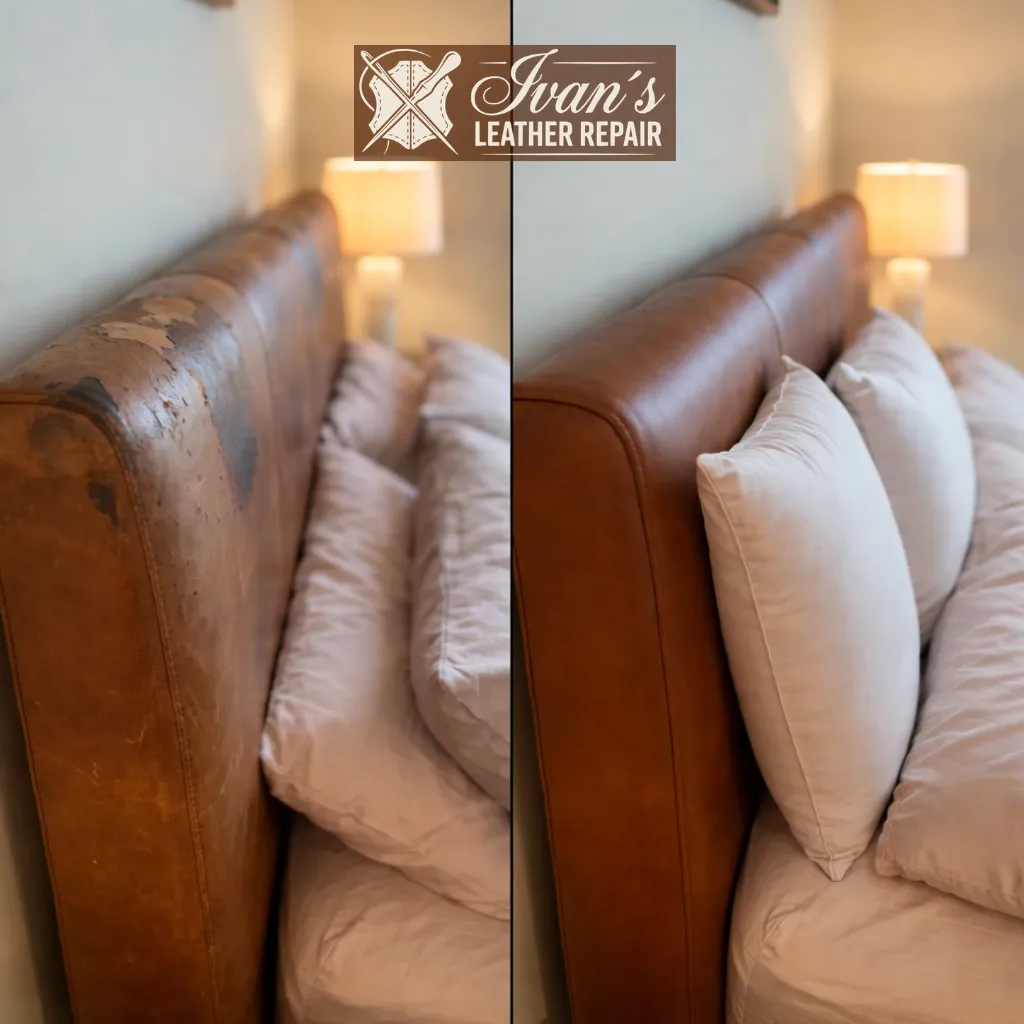
A vintage leather sofa with major flaking and splits needed professional help. The technician repaired panels and matched the color to restore its original look. This shows how professional restoration can be a smart choice for valuable pieces.
When Replacement Was the Best Choice
Another sofa had severe damage and was beyond repair. The owner opted for a replacement because repair costs were too high. This highlights the importance of assessing whether repair or replacement is more cost-effective.
Expert Advice and Common Questions
Top Repair Tips
Experts suggest documenting the original color before repair and using flexible fillers in thin layers. Allow enough time for curing before using the sofa again. If you're unsure, it's always best to consult a professional early on.
Common Mistakes
Avoid using household oils that can darken leather. Don't over-sand repaired areas, as this can thin the leather. For large or structural damage, professional repair is often more reliable.
Your Questions Answered
Q: Can I repair cracked leather myself? A: Yes, for minor cracks, with the right cleaning and conditioning. For deeper damage, a professional is recommended.
Q: How long do repairs last? A: Proper repairs can last many years, especially with regular maintenance.
Q: How long should a leather sofa last? A: With good care, leather sofas often last 15–25 years or more.
Choosing a Repair Provider
What to Look For
When picking a repair service, look for experience, photos of past work, and clear pricing. Ask about the materials they use and any warranties. On-site assessments can save you time and effort.
Questions to Ask
Get a detailed quote and ask about their process for matching color and texture. Discuss aftercare and warranties for the repair. If you prefer mobile service, check for any travel fees.
Why Local Matters
Local conditions affect leather care needs. In places with big humidity changes, regular conditioning is important. Our mobile team offers in-home services tailored to local conditions, saving you the hassle of moving a heavy sofa. For more info, visit our repair page.
Making the Right Choice for Your Sofa
Repair or Replace Checklist
Think about these questions: Is the damage minor or major? Does the sofa have sentimental value? Are repair costs lower than replacement? Can you restore the original look? If repair seems right, start there. For structural issues, replacement might be best.
What to Do Next
If you need a professional opinion or a quote, reach out for an evaluation. Our team offers practical repair options that extend your furniture's life. If you're interested in our services, check our residential leather repair offerings and book a consultation.
Final Thoughts
Cracked leather can often be fixed, and acting early can save you from bigger problems later. Start with cleaning and conditioning, use fillers for moderate damage, and call a pro for serious issues. If you're unsure, we offer guidance and assessments to help you find the best solution. Contact Ivan's Mobile Leather Repair at (347) 207-3031 or email info@repairleathernyc.com to book an appointment.
For more on leather care, check out Wikipedia's leather overview and Britannica for detailed info. Our team is ready to help with advice and repairs.