How to Protect and Repair Your Leather Sofa from Sun Damage
Leather sofas add a touch of style and comfort to any living room, but they're more delicate than you might think when it comes to sunlight. In this guide, we'll explore how the sun's rays can fade, dry, and crack your leather furniture over time and what you can do to prevent and fix this damage. From understanding the science of UV damage to learning about the latest protective technologies and maintenance tips, we've got you covered. If your sofa is already showing wear from the sun, consider getting a professional evaluation—our leather sofa repair service can help restore its beauty.
Why Sunlight is Tough on Leather
UV Rays and Color Fading
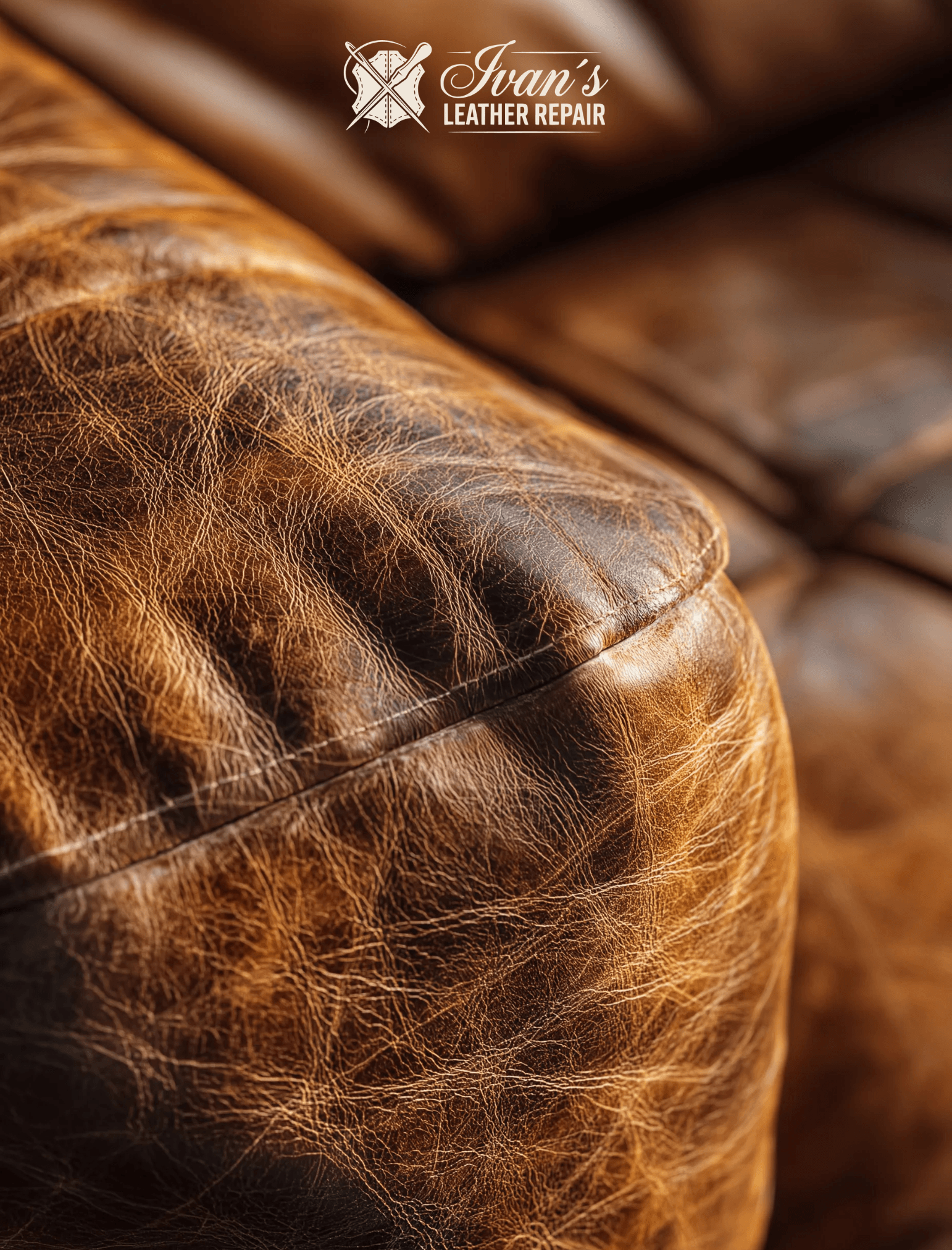
Sunlight contains UV rays that can break down the pigments and dyes in leather, leading to fading and uneven color patches. Even leather that seems colorfast will eventually show signs of wear if it's exposed to the sun consistently. Over time, the protective finishes manufacturers apply can also wear away from repeated sun exposure.
Leather, being an organic material, reacts differently to light compared to synthetic fabrics. As the pigments lose their color-giving properties, the leather will gradually lighten or change in tone, sometimes in just a few months if placed in direct sunlight.
Heat and Moisture Loss
Apart from UV rays, sunlight also brings heat, which speeds up the evaporation of leather's natural oils. These oils are what keep leather flexible and soft. When they evaporate, the leather dries out, stiffens, and becomes more prone to cracks. This dryness can lead to small cracks that widen over time, affecting both the look and durability of the sofa.
The cycle of heating during the day and cooling at night causes leather fibers to expand and contract, adding stress over time. This stress can leave the leather feeling brittle.
Long-Term Effects and Aging
Sunlight can also speed up the aging process of leather by causing oxidation, which breaks down collagen fibers in the hide. This weakens the leather, making it more likely to tear or develop deep cracks. What starts as surface fading can turn into more serious damage if not addressed promptly.
Understanding these effects can help you prioritize preventive measures. Early-stage damage can often be addressed with conditioning and UV protection, while more severe damage might require professional restoration.
Keeping Your Leather Safe from the Sun
Window Films and Smart Placement
One effective way to protect your leather furniture is by using UV-blocking window films. These films filter out a lot of UV rays without blocking natural light, helping to reduce fading and heat inside your home. For those looking to protect several pieces of furniture or entire rooms, this can be a smart investment.
Window films are available in different styles, including anti-glare options and decorative tints that keep your home's aesthetics intact while cutting down UV exposure. They are easy to install and can be paired with shades or blinds for additional protection.
Leather Conditioners and Treatments
New leather conditioners now include UV blockers and advanced moisturizers that restore lost oils and create a protective barrier against the sun. These products are designed to absorb into the leather, helping it stay supple and delaying future drying.
Look for conditioners that specifically mention UV protection on the label, and always test them on a small, hidden area of your sofa first. Regular conditioning will help your leather retain moisture and resist the drying effects of heat and light.
Surface Coatings and New Tech
Coatings using nanotechnology are another way to protect your leather. These create ultra-thin, tough layers that repel UV rays and prevent oxidation at a microscopic level. While not a replacement for regular conditioning, these coatings can add an extra layer of defense.
As with any newer technology, quality can vary, so look for products with third-party testing or certifications. Combining these coatings with routine maintenance can provide a robust defense against sun damage.
Tips for Preventing Sun Damage
Thoughtful Furniture Placement
Start by placing your leather sofa away from south- or west-facing windows, where the sun is strongest in the afternoon. Arrange furniture perpendicular to windows to reduce direct sunlight exposure and use rugs and accessories to balance the room without risking damage.
If you can't move the furniture, use curtains, shades, or window films to minimize sunlight. Professionals can recommend solutions that protect your furniture while maintaining your home's design.
Regular Conditioning
Conditioning helps replenish oils lost to sunlight and keeps leather pliable. It's generally recommended every 3–6 months, with more frequent treatments if you live in a sunny or dry climate. Use a good quality leather conditioner, apply sparingly, and gently buff with a microfiber cloth.
Conditioning supports leather's natural barrier and helps prevent micro-cracks. For delicate or antique pieces, consult a professional before using commercial treatments, as some older leathers need specialized care.
Rotate and Even Things Out
Fading often occurs when one part of the sofa gets more sun than the others. Rotate cushions, flip sections, and occasionally change the sofa's position to ensure even aging. This simple habit can help maintain the sofa's appearance and delay sun damage.
In commercial settings or busy areas, create a rotation schedule and keep track of exposure patterns to address problem areas early.
Long-Term Leather Care Routine
Weekly Tasks: Quick Checks and Dusting
Set up a weekly routine to dust your sofa and check for early signs of fading or wear. Use a soft brush or microfiber cloth to remove dust and dirt that can scratch the leather over time. Regular light cleaning prevents dirt from embedding and causing damage.
During these checks, look at seams and high-contact areas for stiffness or color changes. Catching issues early means you can address them before they become big problems.
Monthly and Quarterly Maintenance
Every 1–3 months, do a deeper clean with a pH-balanced leather cleaner followed by a suitable conditioner. Cleaners remove oils and dirt, while conditioners restore moisture and provide a protective layer.
Keep a record of the products you use and the results you get. This helps you refine your care routine and ensures consistent results.
Yearly Deep Care and Professional Help
Once a year, have a professional evaluation and deep care session. This might include cleaning, conditioning, minor repairs, and applying a higher-grade protective treatment. Yearly care is especially important if you live in a sunny area or have high-value pieces.
If you're unsure about which products to use or own valuable or antique pieces, a professional assessment can prevent damage from DIY treatments. We recommend annual check-ups as part of a long-term care plan to keep sofas looking their best.
When Sun Damage Occurs: Repair and Restoration
What Repairs Can Fix
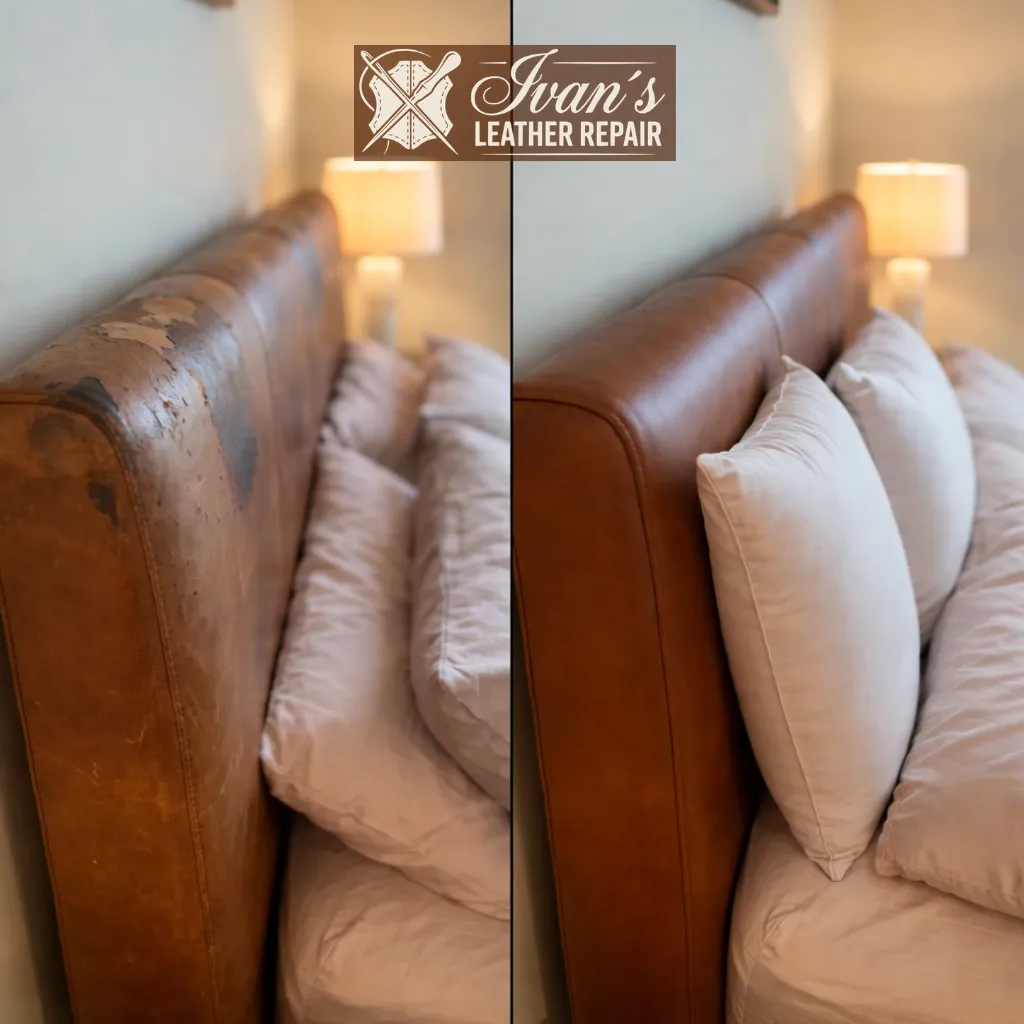
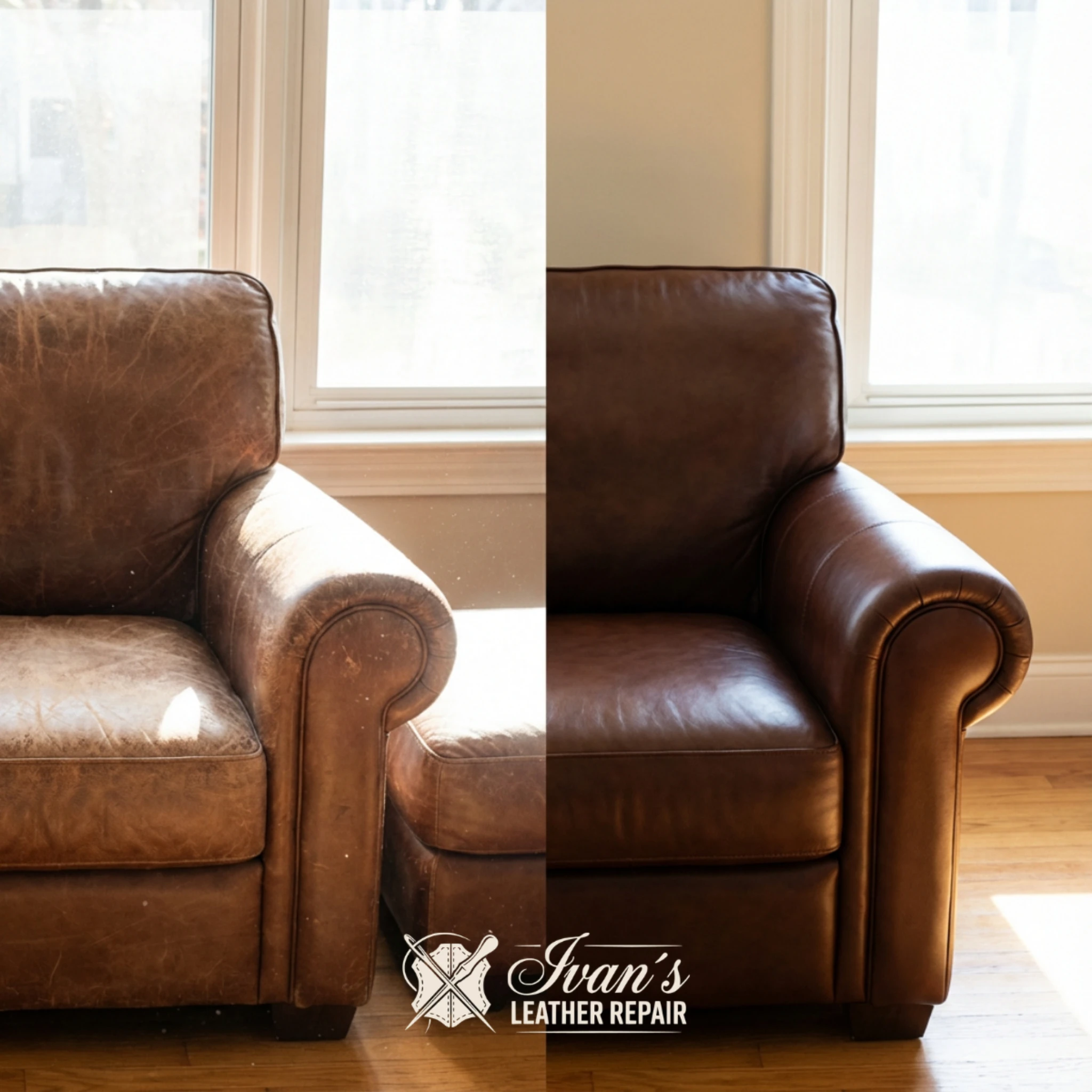
Minor sun damage like surface fading, slight stiffness, and small cracks can often be fixed with cleaning, conditioning, and recoloring. Professional repair can restore color through careful re-dyeing, fill micro-cracks, and seal surfaces to prevent future damage. However, when leather has deep splits, lost structural integrity, or the dye has chemically changed, full restoration might be limited.
Understanding what repairs can realistically achieve helps set expectations and guides decisions between restoration and replacement. Early intervention often yields the best results and can extend the sofa's life significantly.
Professional Restoration Steps
Restoration typically starts with a thorough inspection to gauge the damage. Technicians clean the leather, restore oils, and assess areas needing color correction or filler. Re-dyeing is applied carefully to match the original color, and a protective topcoat is added for UV resistance.
Advanced repairs might involve replacing damaged panels or reinforcing stitching. For lasting results, choose a provider experienced with your sofa's specific leather type and ask for before-and-after photos of similar work.
Considering Costs and When to Replace
Repair costs vary based on the damage, leather type, and labor. Minor repairs can be cost-effective, while extensive work might approach the cost of a new sofa. When deciding, compare repair and replacement costs, considering the sofa's sentimental value and the environmental impact of repair vs. disposal.
For sun damage solutions, our sun damage leather repair service offers assessments and clear pricing tailored to your needs.
Real-Life Sun Damage Stories
Brooklyn Homeowner's Experience
A homeowner in Brooklyn placed a leather sofa near a south-facing window to enjoy the light and views. After six months, the leather showed fading and a stiffer texture on the sunny side. With professional advice, the homeowner installed UV-blocking film, moved the sofa slightly, and scheduled conditioning and re-dyeing. This approach stopped further damage and restored an even look.
This story shows how prevention and restoration work together: small, timely actions and smart environmental changes can reverse early damage and prevent ongoing issues.
Restaurant Booths and Heavy Use
Restaurant booths face heavy use and sometimes direct sunlight through windows. This can lead to faster fading and stiffness. Regular rotation, strategic use of blinds, and scheduled professional servicing extend the life of commercial upholstery and maintain brand image.
Businesses with sun-exposed furniture should consider maintenance contracts with repair specialists to keep seating looking good. Our restaurant booth repair services include maintenance and restoration tailored to hospitality needs.
Car Interiors: Same Risks, Different Setting
Cars parked outside often face intense sun exposure. Automotive leather can fade and dry quickly, especially on seats and steering components. Sunshades, covered parking, and specialty conditioners help prevent permanent damage.
If your car's interior is already affected by UV damage, services like auto leather repair can restore color and function. Timely intervention is crucial to prevent further damage.
Your Questions Answered
How Fast Can Sunlight Fade Leather?
Fading depends on the leather type, dye quality, and sun exposure. Noticeable fading can happen within months if leather is left in direct sunlight. Factors like humidity and temperature also play a role.
Regular checks and early protection are key, as significant pigment loss makes restoration harder and more expensive.
Is Conditioning Enough?
Conditioning is important because it replaces oils lost to sunlight, but it's not the only solution. Combine conditioning with environmental controls like window films and strategic placement to limit UV exposure.
Pair conditioning with protective films or coatings in bright rooms, especially for valuable or frequently used furniture.
When to Call a Professional
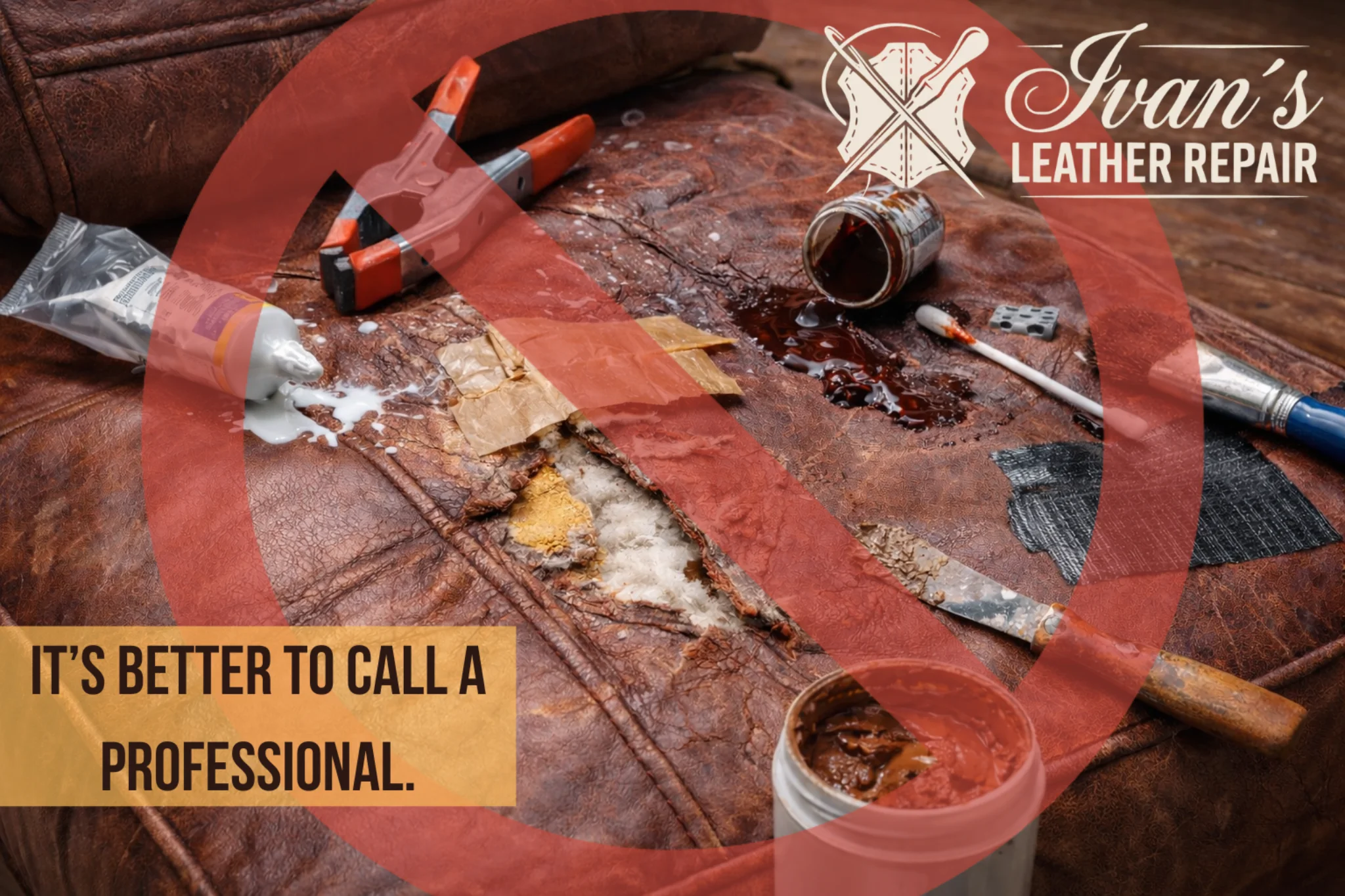
Call a professional if you notice deep cracks or widespread color loss, or if DIY attempts don't help. Professionals can evaluate damage, recommend re-dyeing, and apply industry-grade fillers and topcoats.
If repair costs are high, professionals can offer options considering both budget and conservation, including panel replacement or partial reupholstery.
Checklist: Protect, Maintain, Repair
Prevention Tips
Start with placement: avoid direct sunlight, use window films or shades, add UV-protective coatings, and keep a conditioning schedule every 3–6 months. Rotate cushions to ensure even exposure and consider architectural solutions for multiple pieces.
These strategies create a layered defense that slows sun damage and helps maintain the furniture's value.
Maintenance Routine
Weekly: dust and check for fading. Monthly/quarterly: clean with pH-balanced products and condition. Annually: schedule a professional evaluation and deep care session to catch issues early. Keep a log of treatments and outcomes over time.
For help with routine maintenance or targeted restoration, our residential leather repair team offers in-home service and preservation plans tailored to your needs.
Repair or Replace
Small surface damage is usually repairable; severe structural issues or discoloration might mean replacement. When unsure, get a professional appraisal with cost estimates for repair and replacement. Repair is often more sustainable and economical, especially for pieces with sentimental value.
For targeted restoration like fixing cracks or re-dyeing, consider services such as cracking leather repair that focus on restoring compromised hides.
Learn More
To dive deeper into leather care, check out reputable sources. The Wikipedia entry on leather provides a broad overview of types and general properties: Leather — Wikipedia. For solar radiation's effects, NOAA explains UV index and sun intensity: NOAA — UV Index. Conservation techniques and best practices for historical leather care are available from major museums.
These resources can help align your care routine with scientifically-backed prevention strategies.
Conclusion
Sunlight is a common but preventable cause of leather damage. By understanding how UV rays, heat, and moisture loss affect leather, you can take steps to prevent fading and cracking. Use a layered approach: control sunlight with window films or shades, maintain a conditioning routine, and rotate cushions. For serious damage, rely on professional services for restoration.
If your leather sofa shows signs of sun damage and you need a reliable repair plan, our team at Ivan's Mobile Leather Repair is here to help. We offer assessments, in-home restoration, and prevention plans to protect your investment. Learn more about our sun-damage solutions or schedule a consultation today at sun damage leather repair. For immediate assistance, call (347) 207-3031 or email info@repairleathernyc.com. We serve Brooklyn and the surrounding areas and can recommend long-term strategies to keep your leather looking its best.
Ready to protect your leather? Contact us for a free evaluation and personalized care plan to prevent sunlight damage and restore sun-affected pieces.